Project Overview
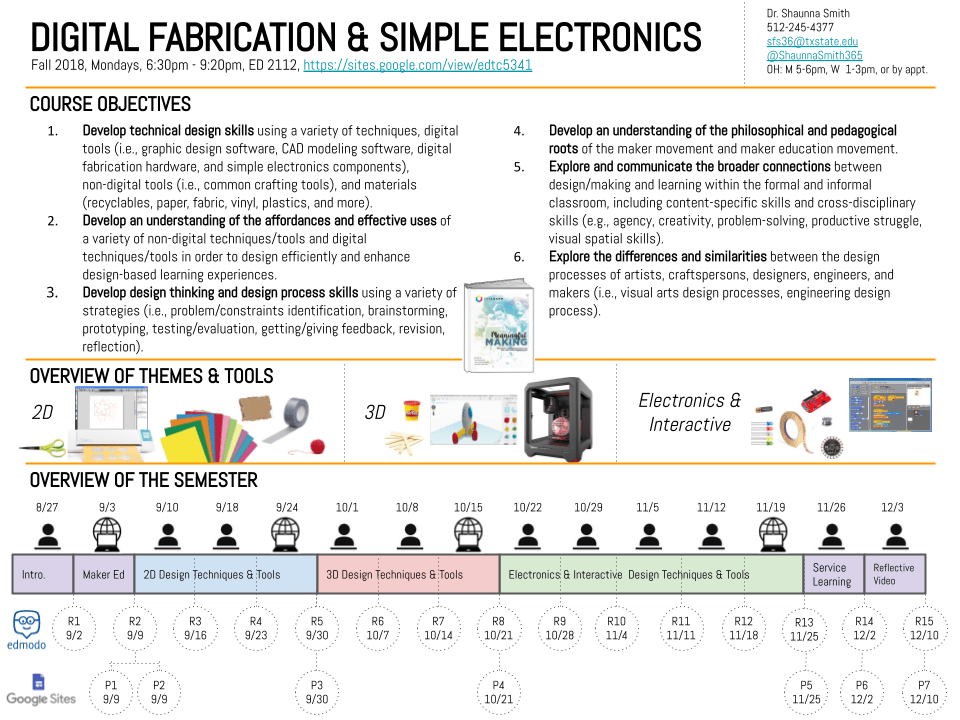
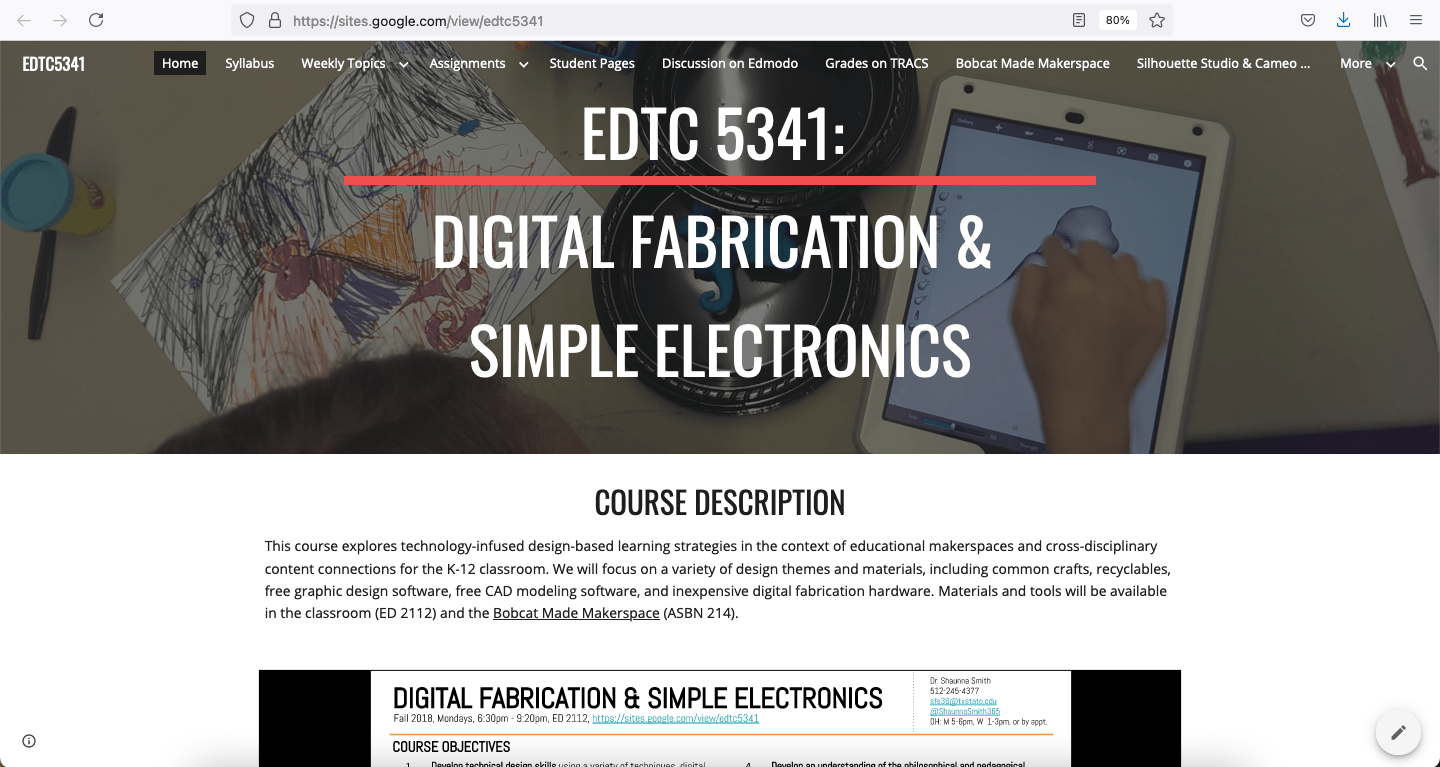
Teachers are often intimidated by new technologies and uncertain how to learn to integrate them into their classrooms or acquire necessary materials. This is especially true for digital fabrication and simple electronics, which are engineering technology topics that few teachers were exposed to during their initial training. I designed this course for graduate-level Educational Technology M.Ed. students, which explored technology-infused design-based learning strategies in the context of educational makerspaces and cross-disciplinary content connections for the K-12 classroom. To make the course approachable, the focus was on maker mindsets and utilized a variety of accessible design themes (i.e., 2D, 3D, electronics and interactive) and materials (i.e., common crafts, recyclables, textiles, free graphic design software, free CAD modeling software, inexpensive digital fabrication hardware). A variation of this course was also developed as an honors course, which focused on interdisciplinary connections within art, craft, design, and engineering. Figure 1 shows the course syllabus outline and Figure 2 shows a screenshot of the course website, which I designed in Google Sites.
Curriculum
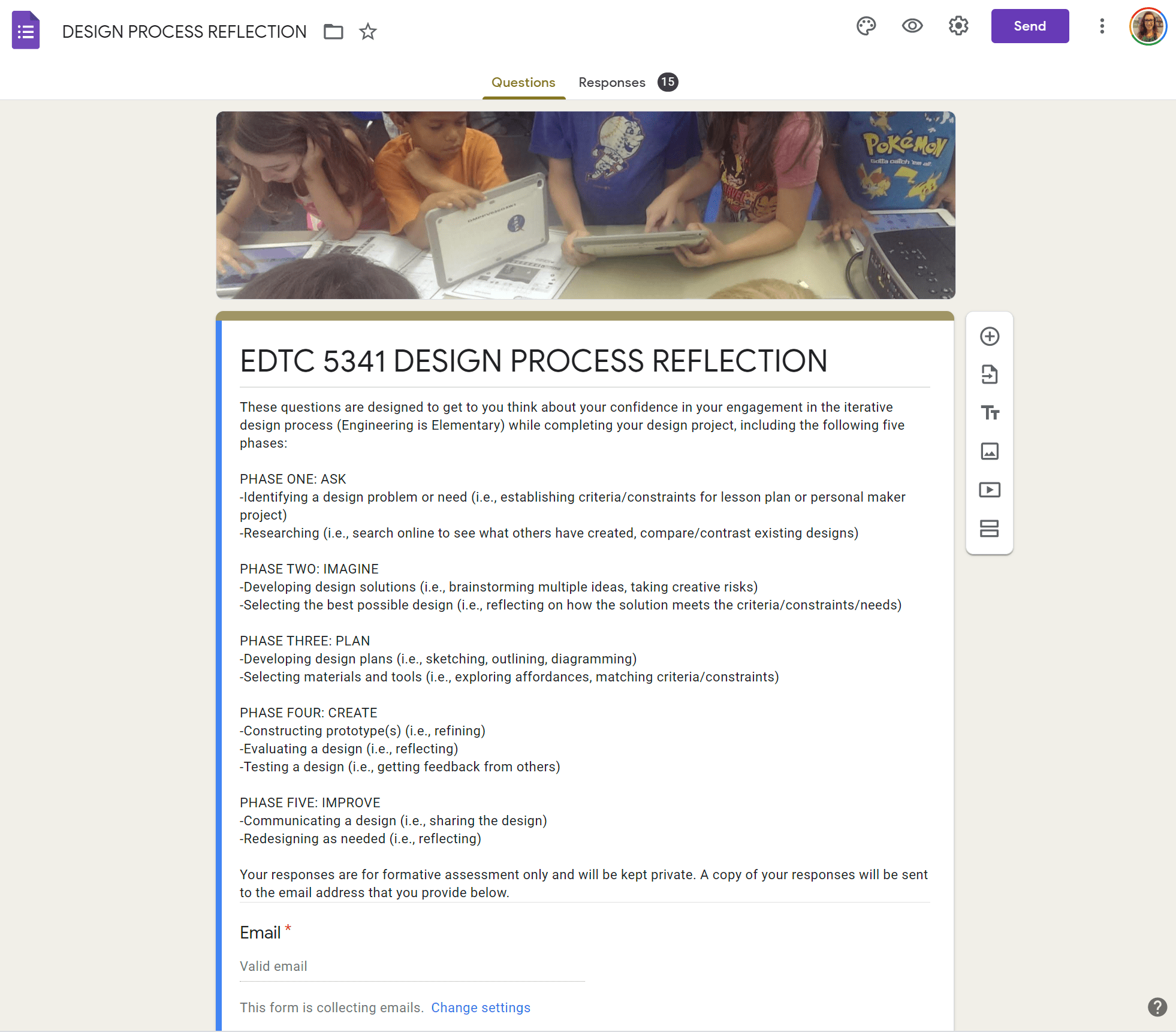
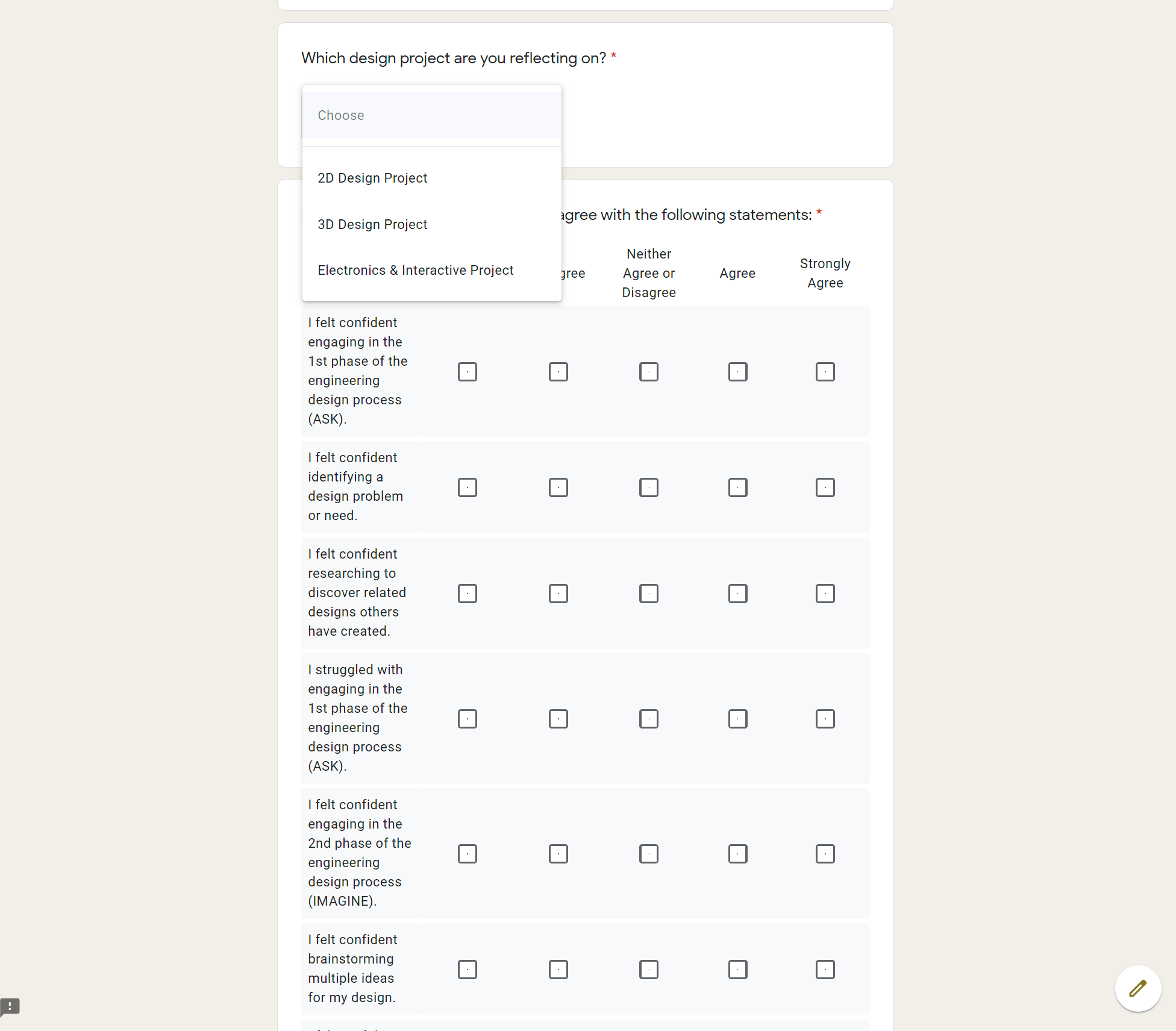
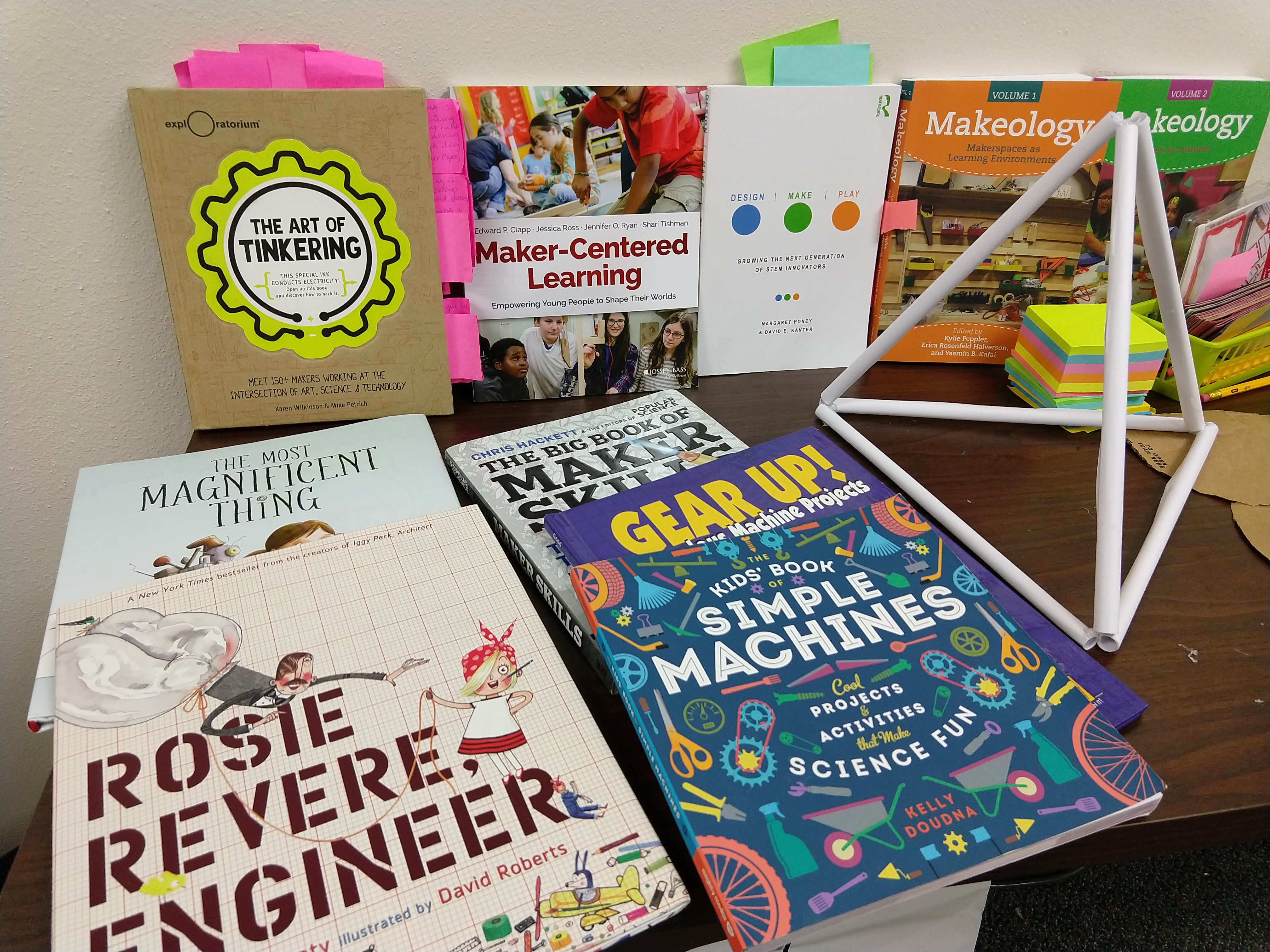
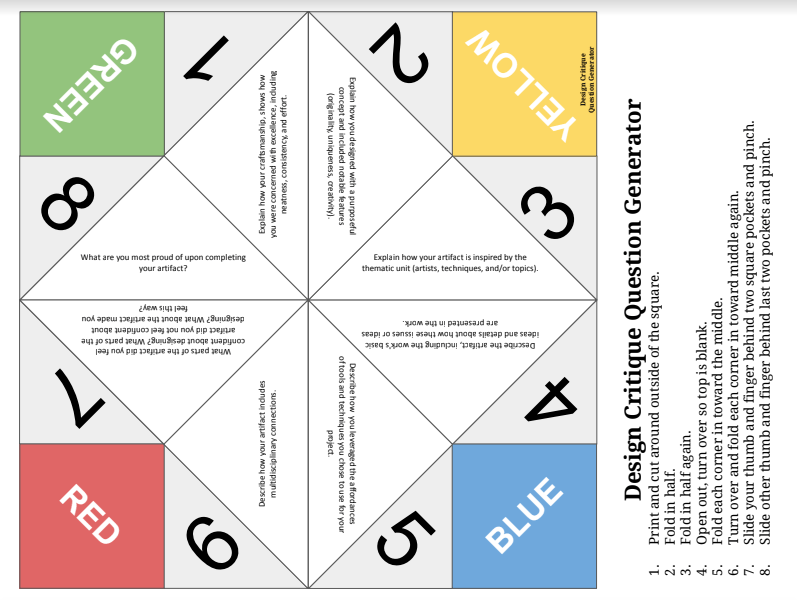
I drew inspiration from a variety of related resources, including the Exploratorium Tinkering Studio’s Learning Dimensions and AbD Thinking Routines. My scaffolded curriculum connected to ISTE standards for educators and included creative warm-ups (e.g., SCAMPER, 30 Circles, Exquisite Corpse Drawings), familiar craft materials and techniques that introduced more advanced digital techniques, interactive discussions of design process (e.g. design critique fortune teller), and differentiated assessments for formative and summative learning (e.g., graphic organizers, weekly reflections, project reflections). Weekly lessons used a 5E model, including engaging connections between art and STEM, guided practice, independent practice, and design critique. Each week students were tasked to complete a reflection that explored their engagement in the lesson, documentation of their design process, and areas of concern about concepts. Thematic units consisted of approximately 4 weekly lessons that explored various techniques and culminated with a design project where students could choose to engage in a project that expanded upon one or more of the techniques, which was graded by an analytic rubric and included an online project reflection form. Final projects included 1) transforming one of their design artifacts into an activity that they would facilitate at a local workshop and 2) creating a summative autoethnographic multimedia project that examined how their personal and professional creativity evolved throughout the course.
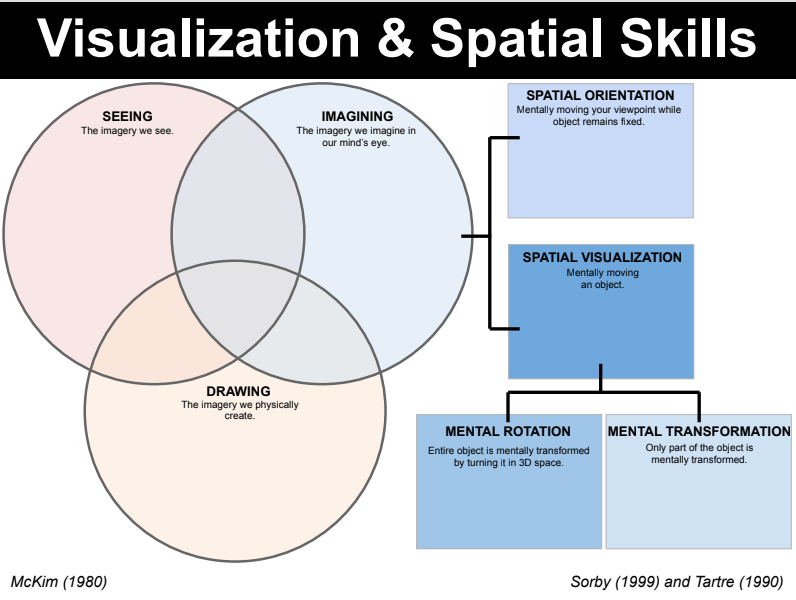
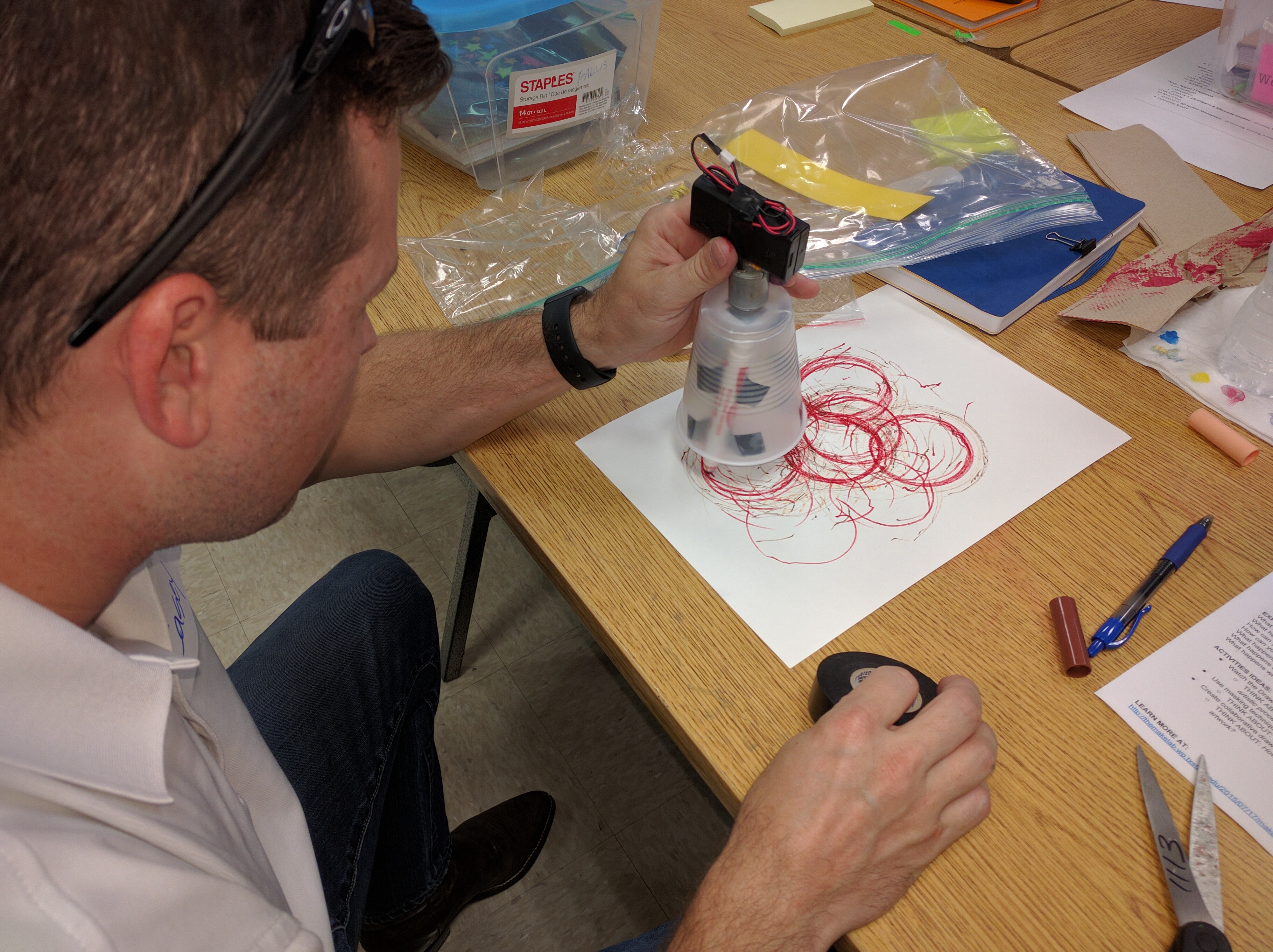
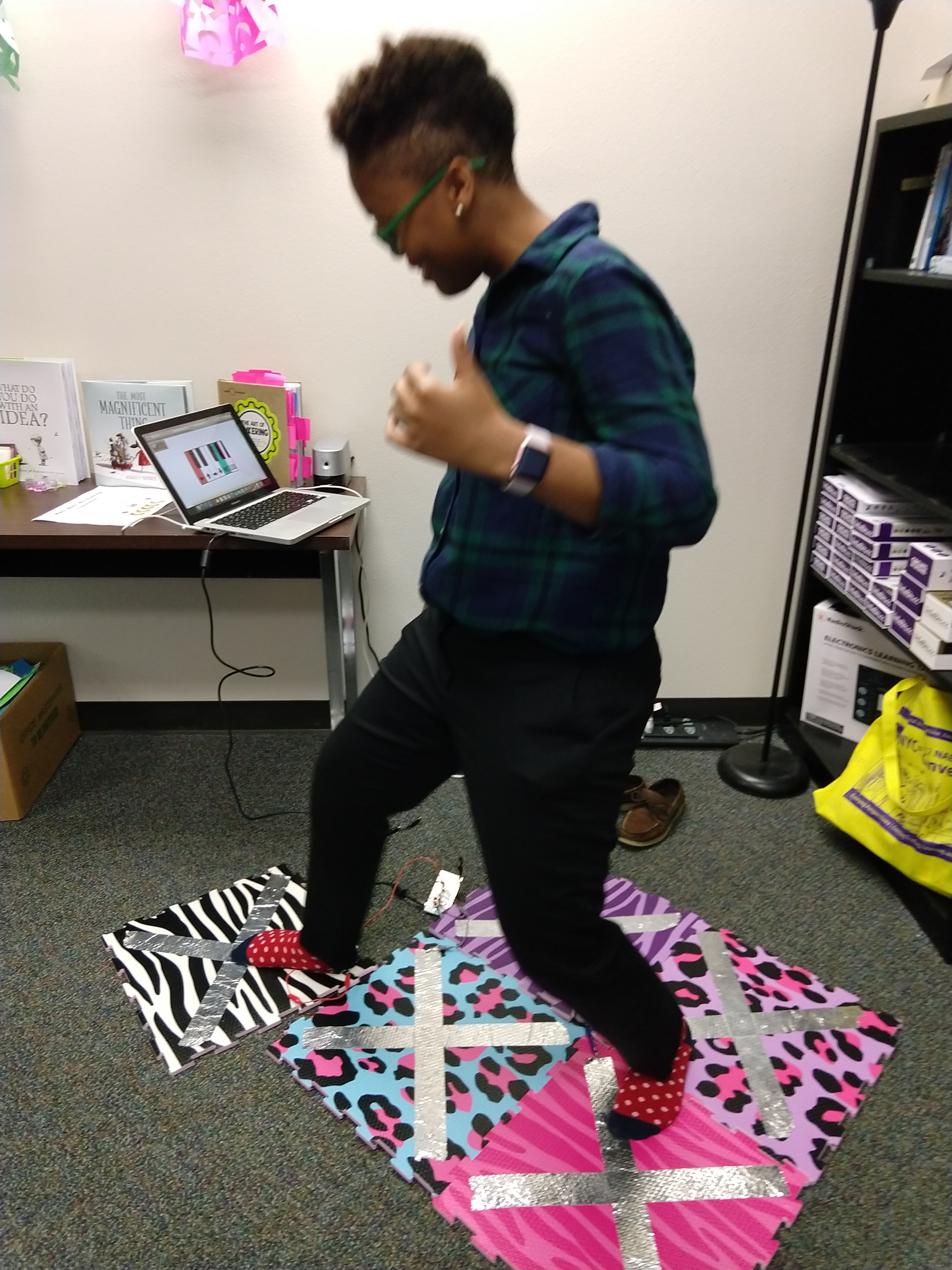
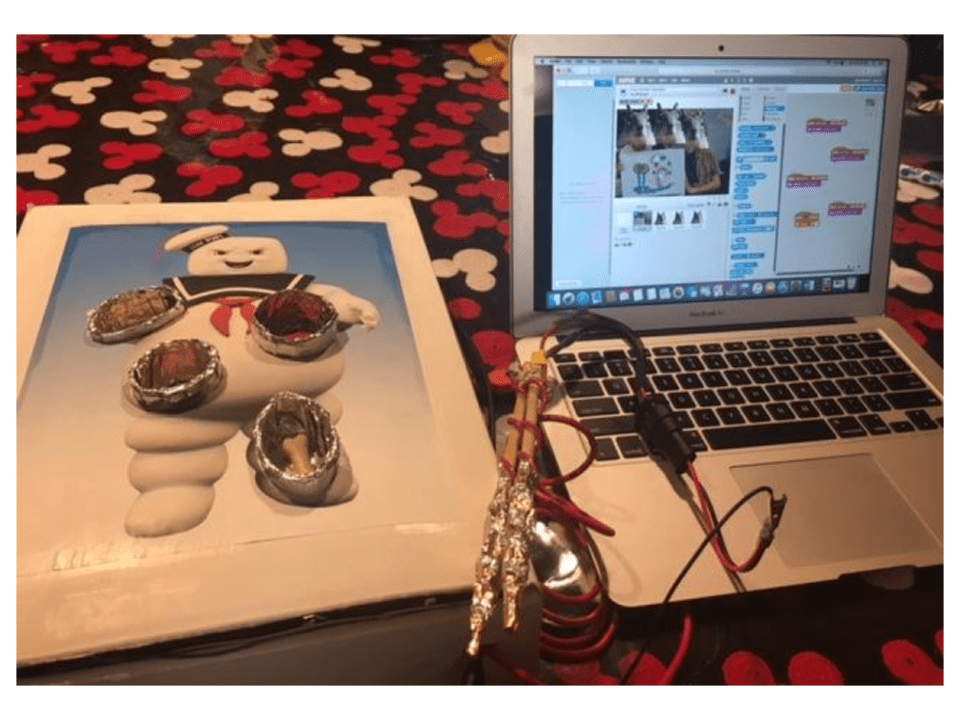
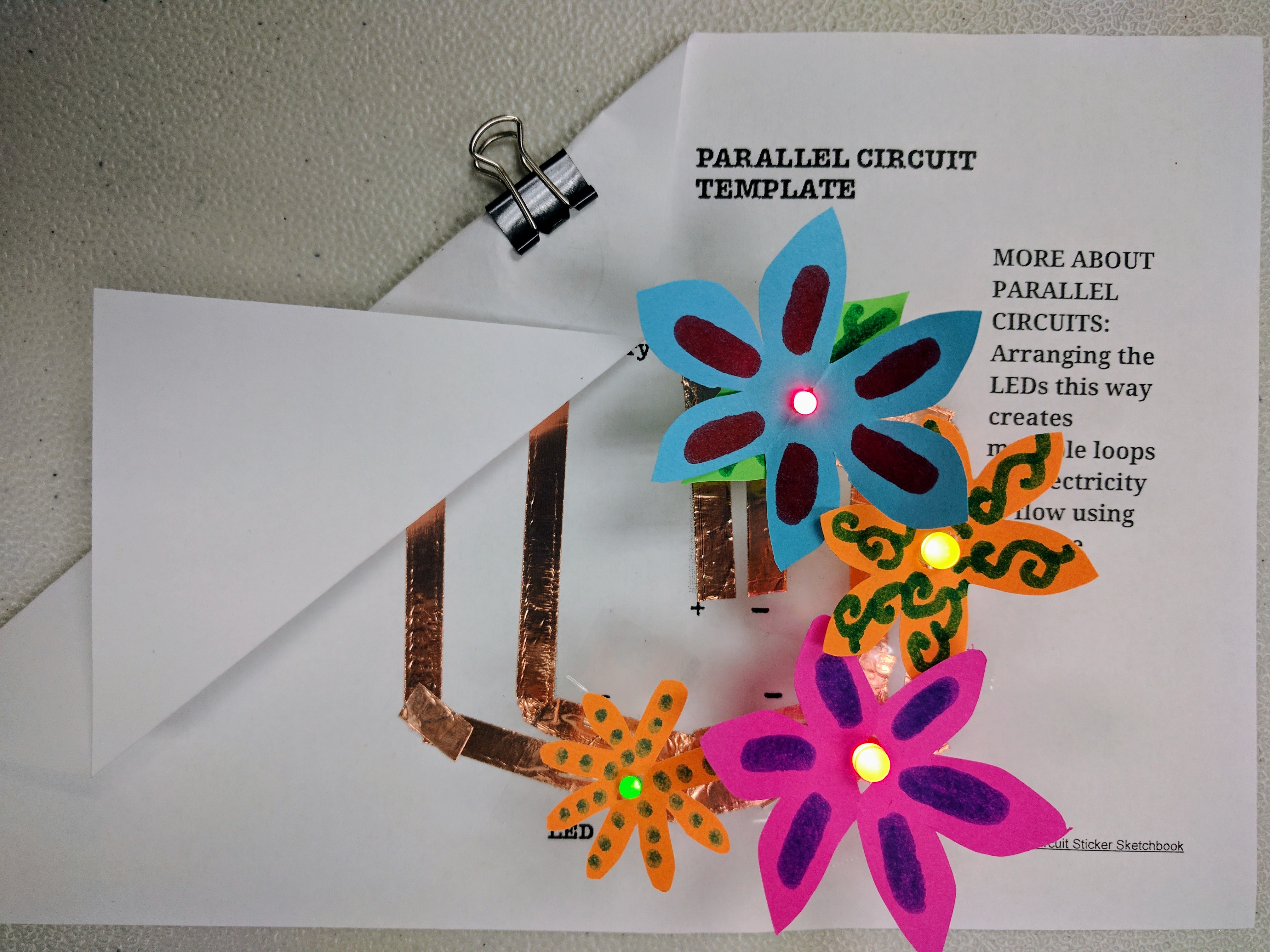
Below you can see curriculum examples including, lesson reflections, in-class resources, and other activity materials.
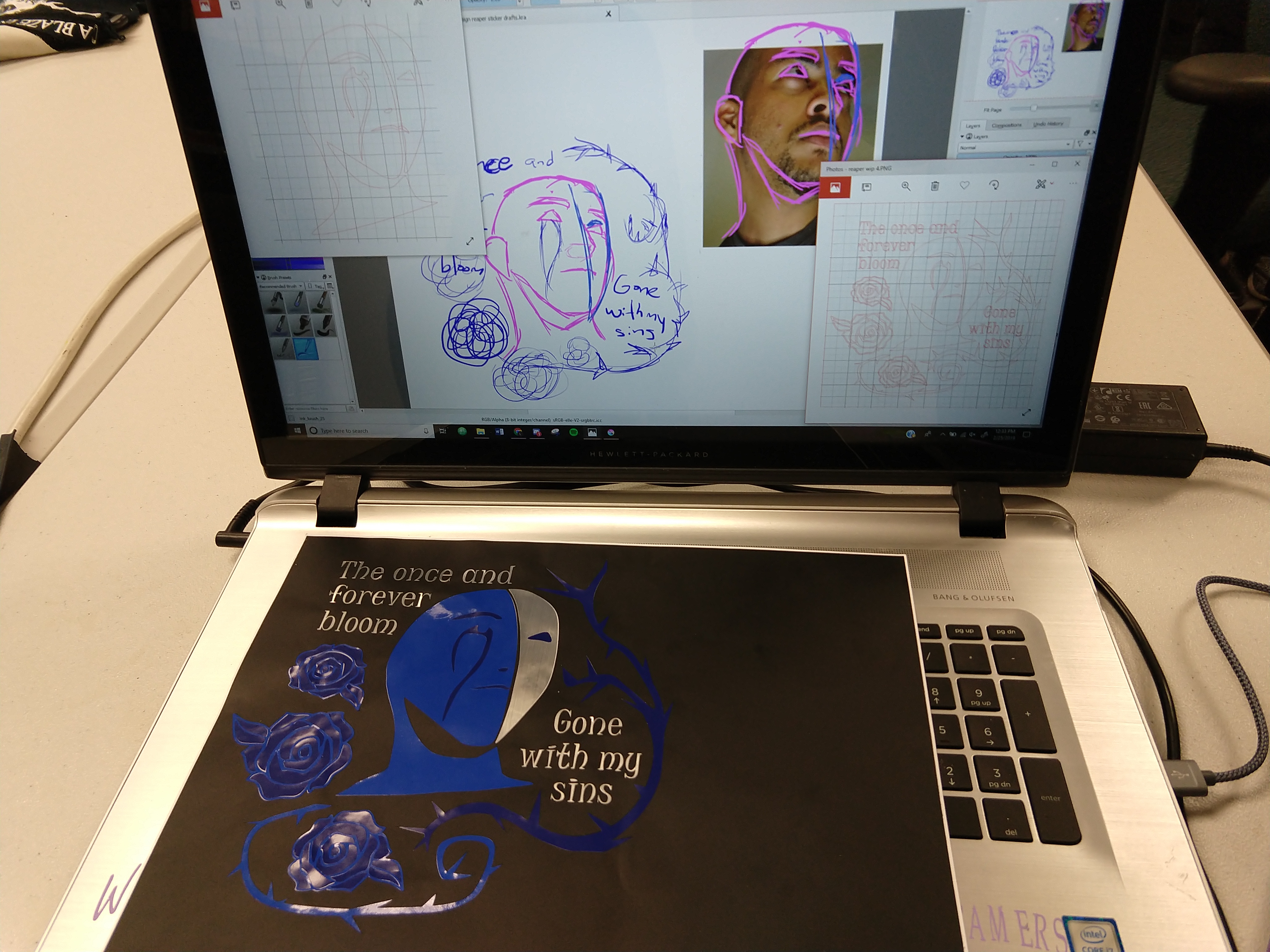
2D design unit
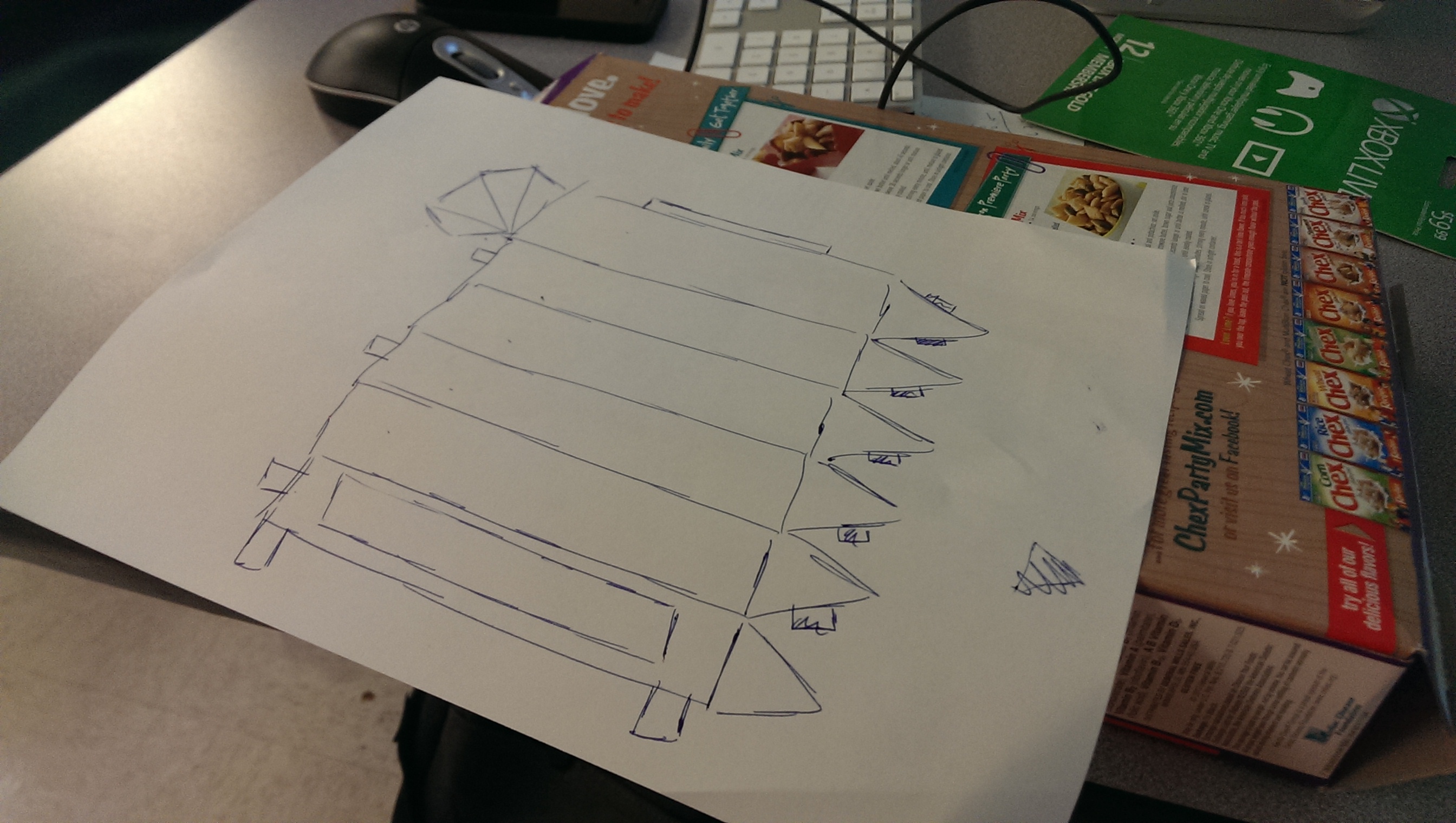
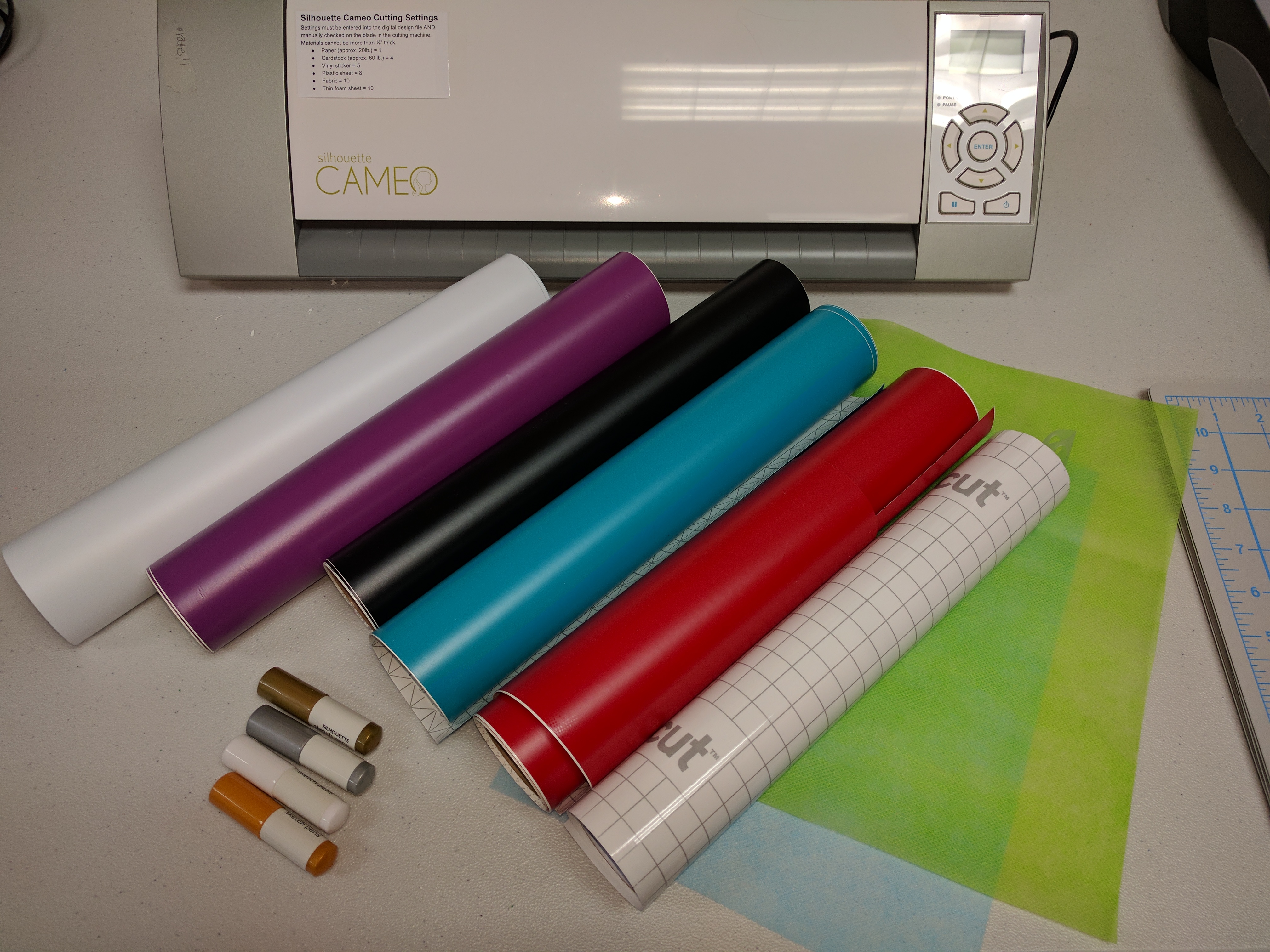
The 2D design unit included papercraft, paper/vinyl cutting software and hardware, textiles, and digital sewing and embroidery machines.
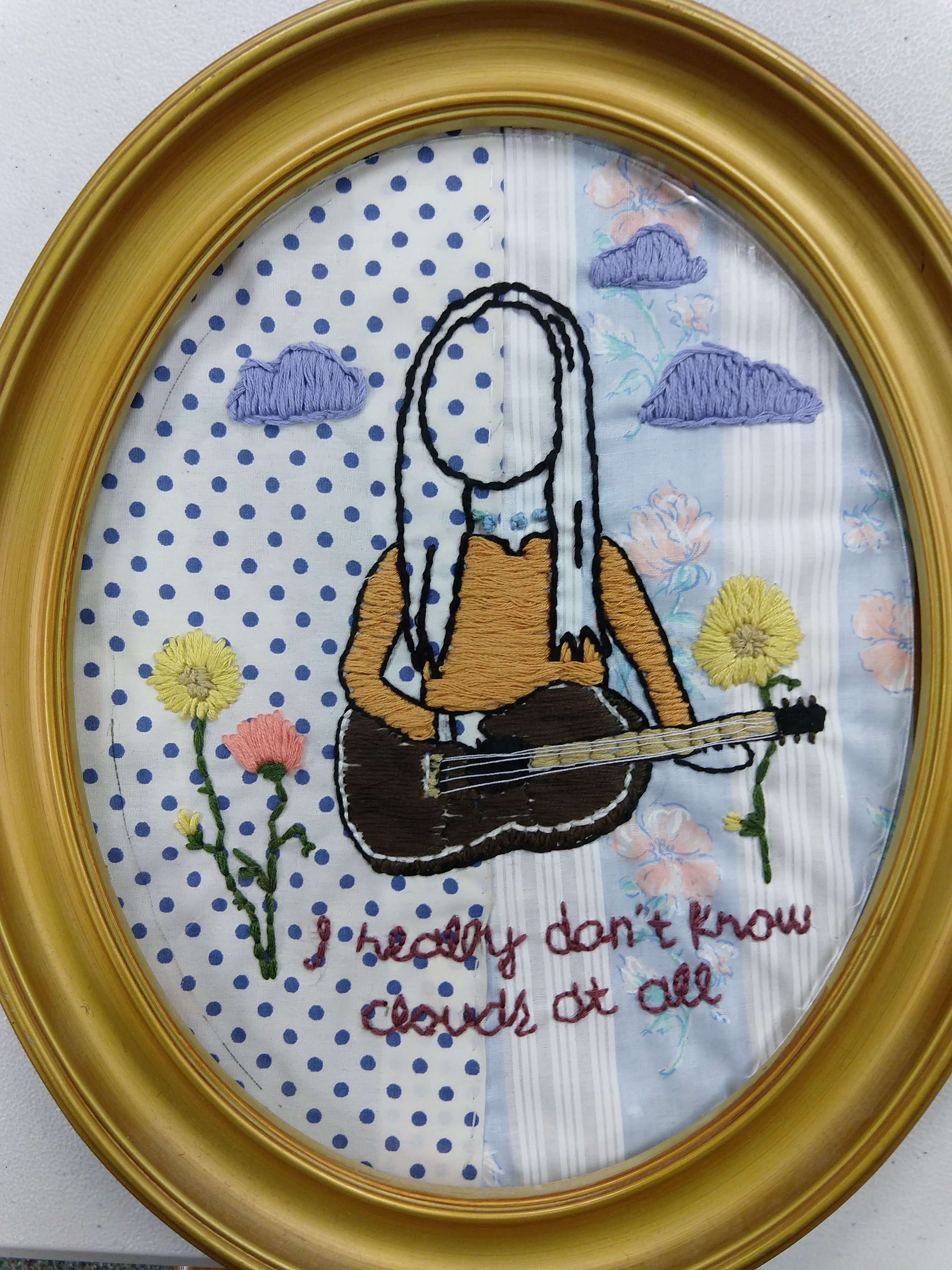
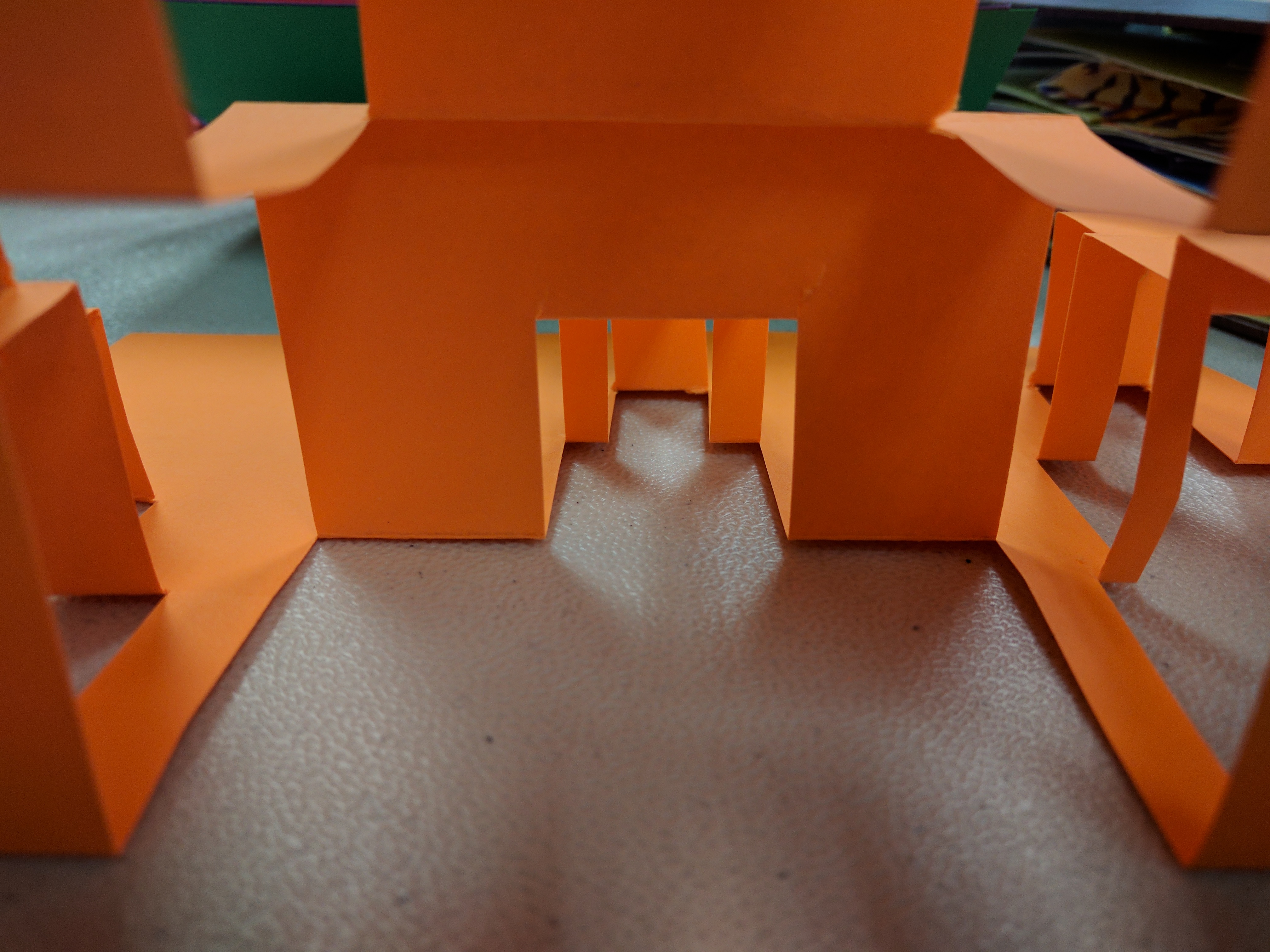

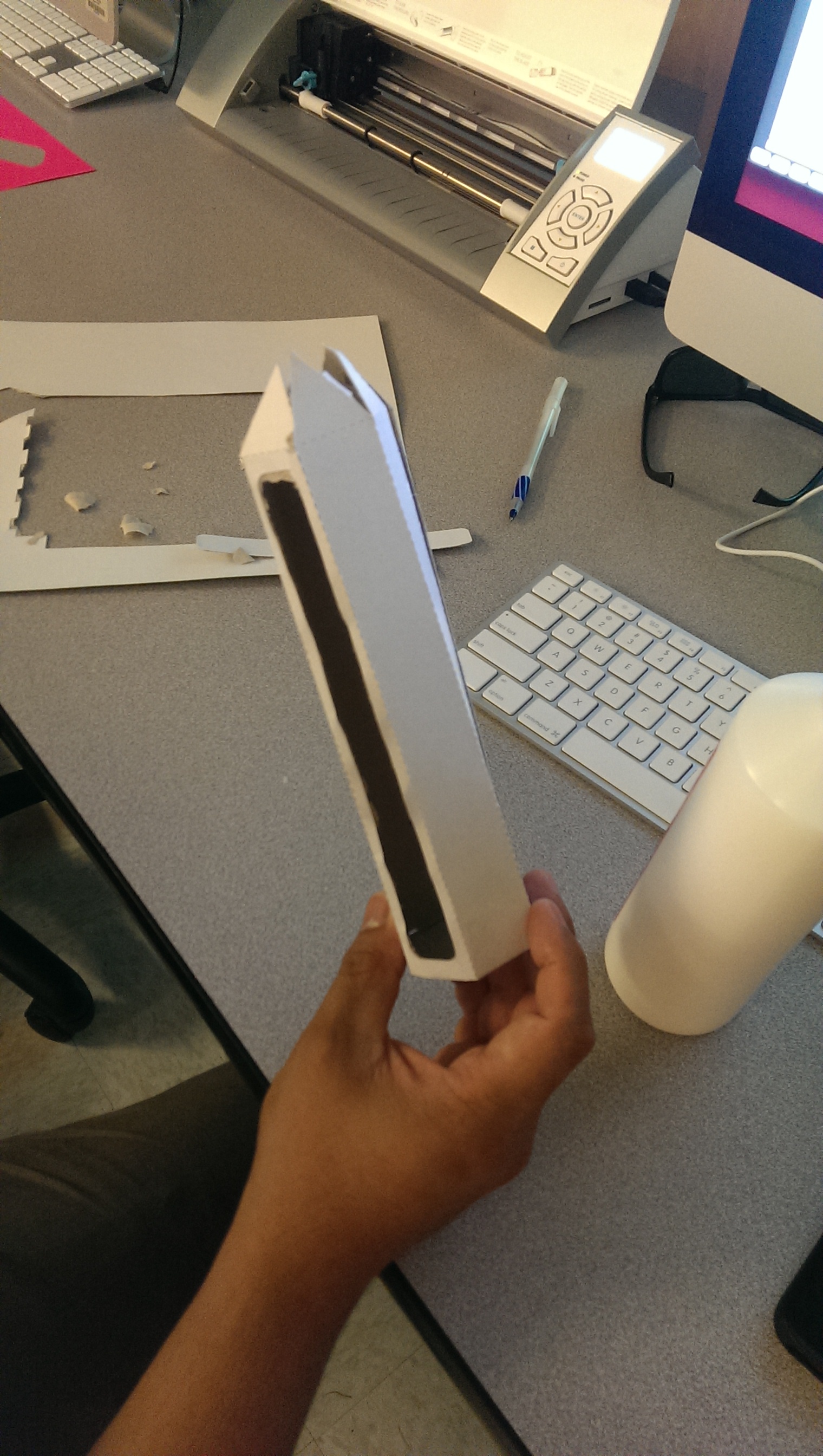
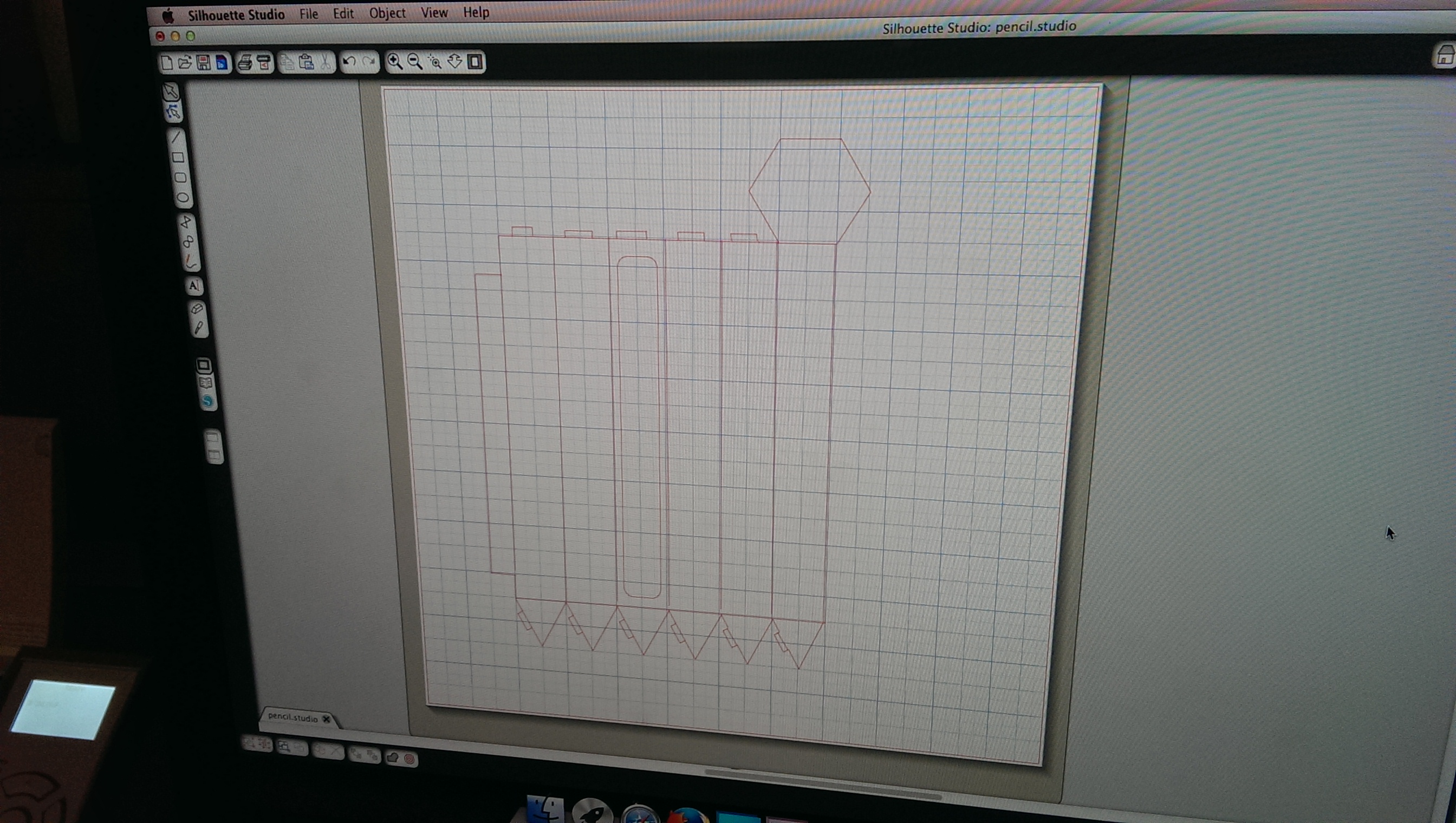
3D design unit
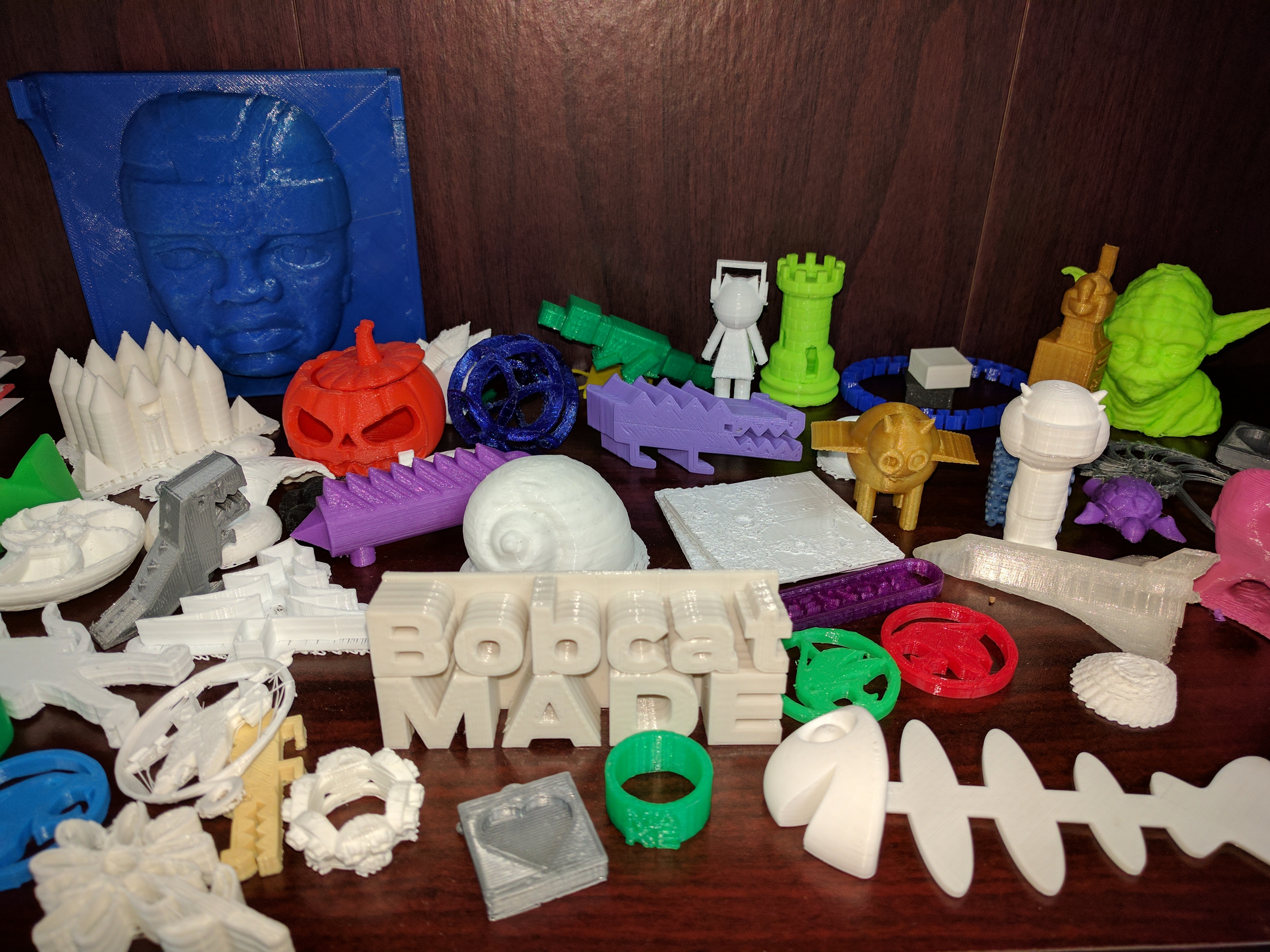
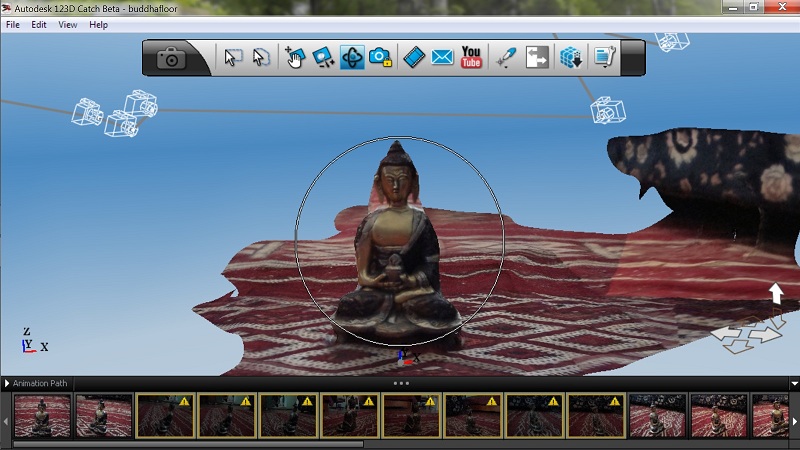
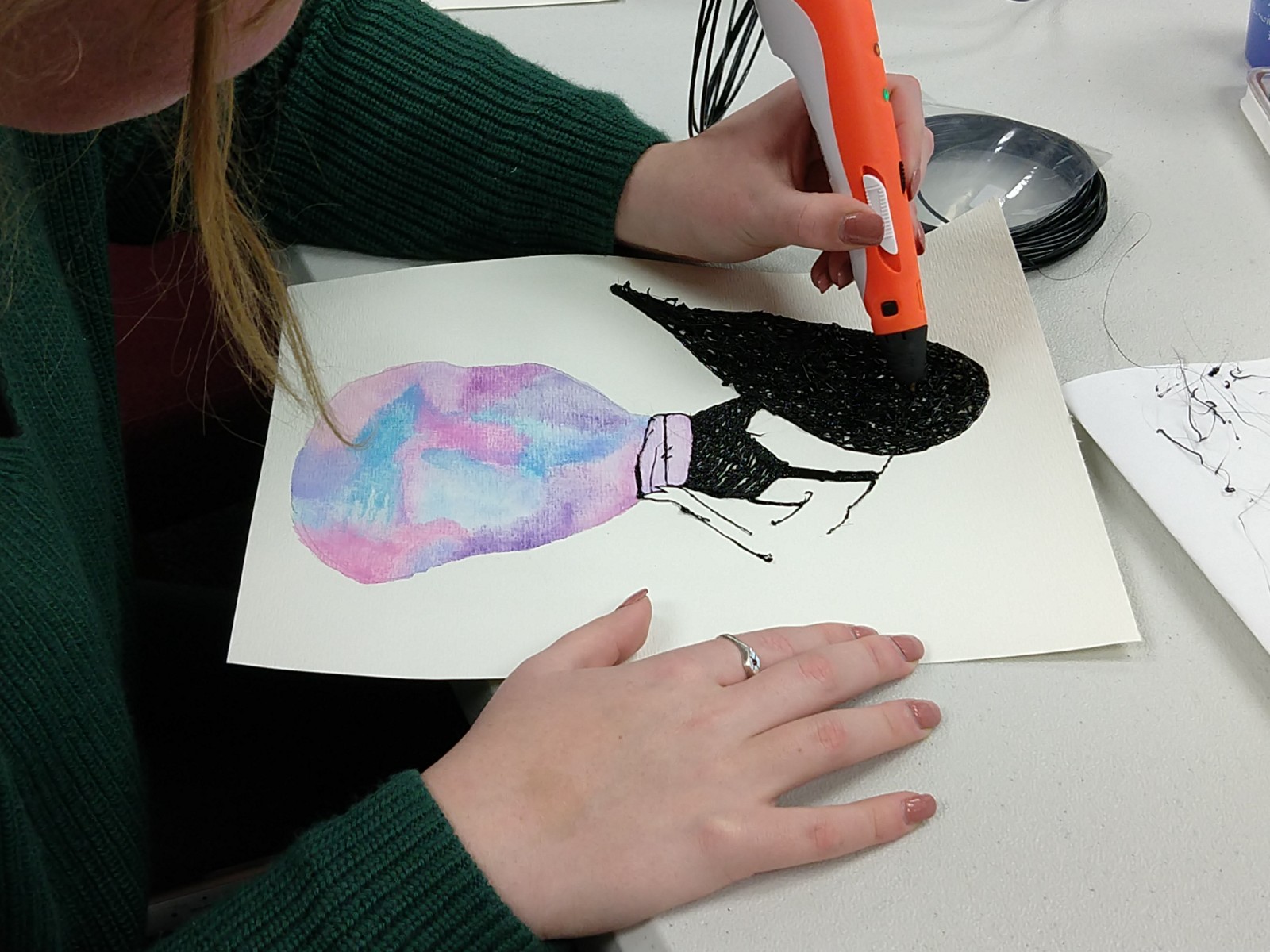
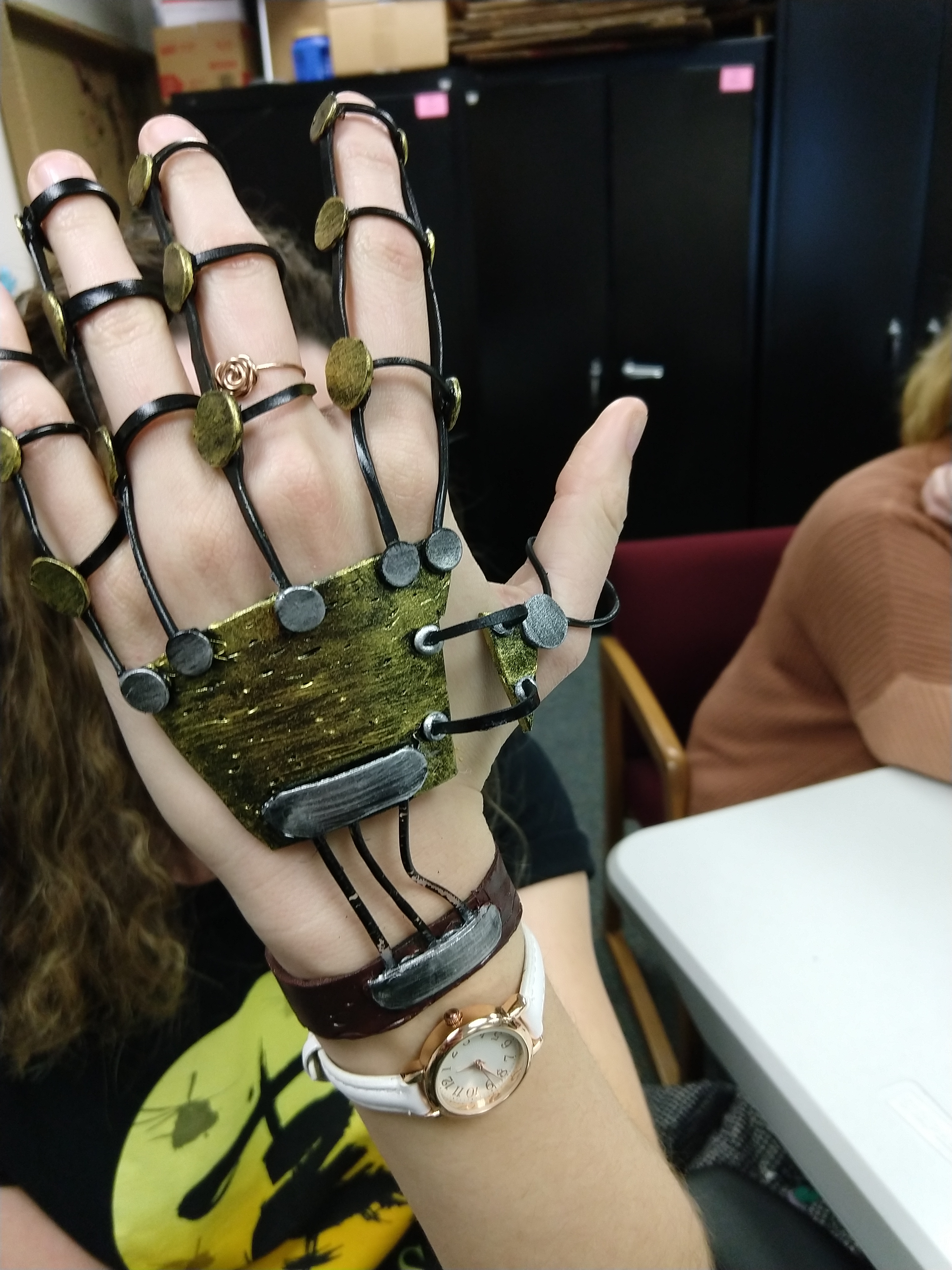
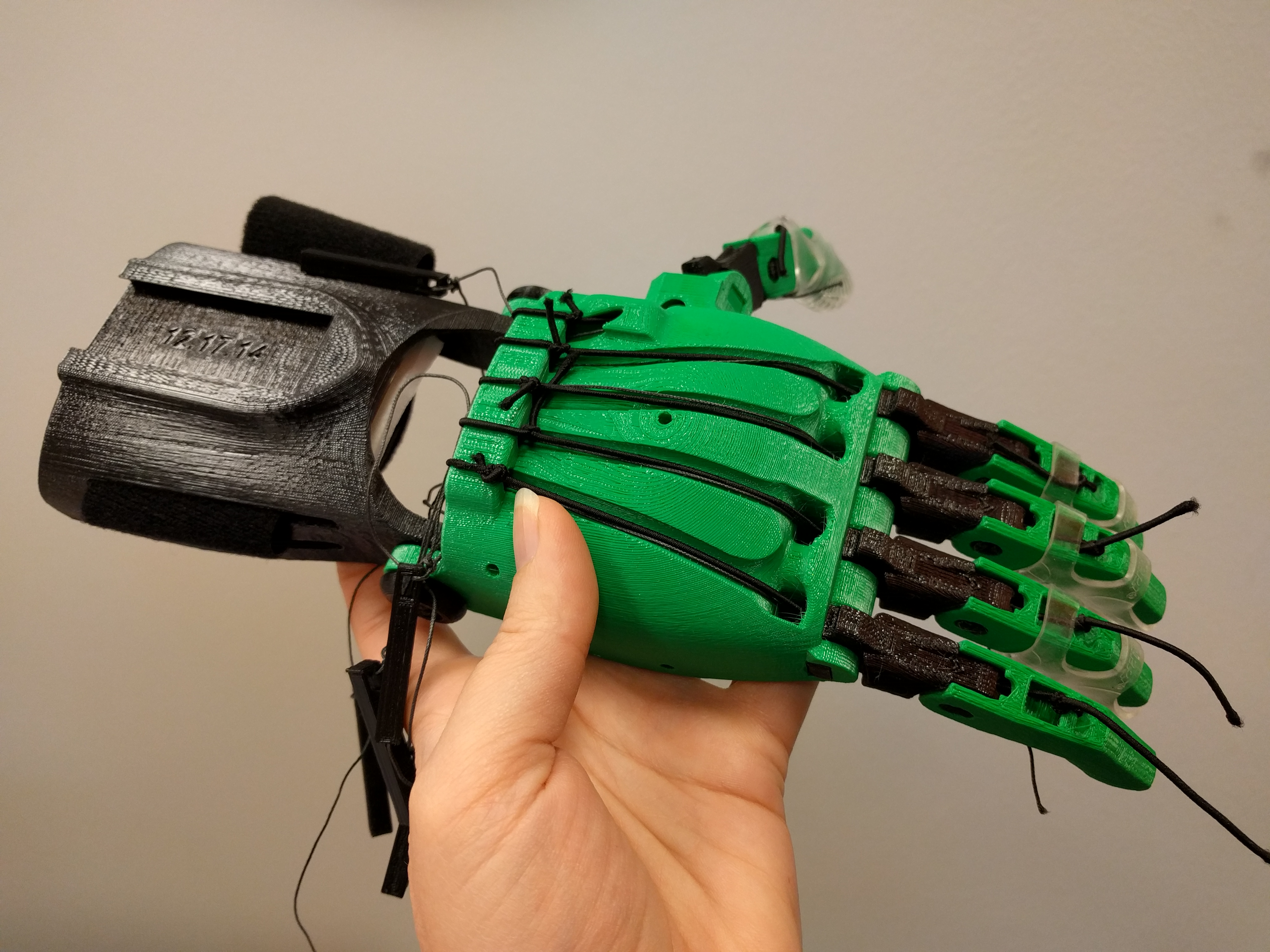
The 3D design unit included recyclables, modeling clay, drawing with hot glue and 3D pens, 3D CAD modeling, and 3D printing.
Electronics and interactive unit
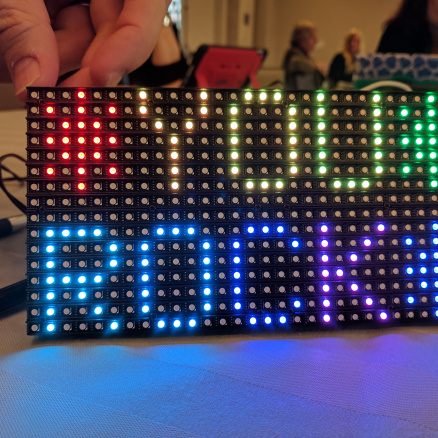
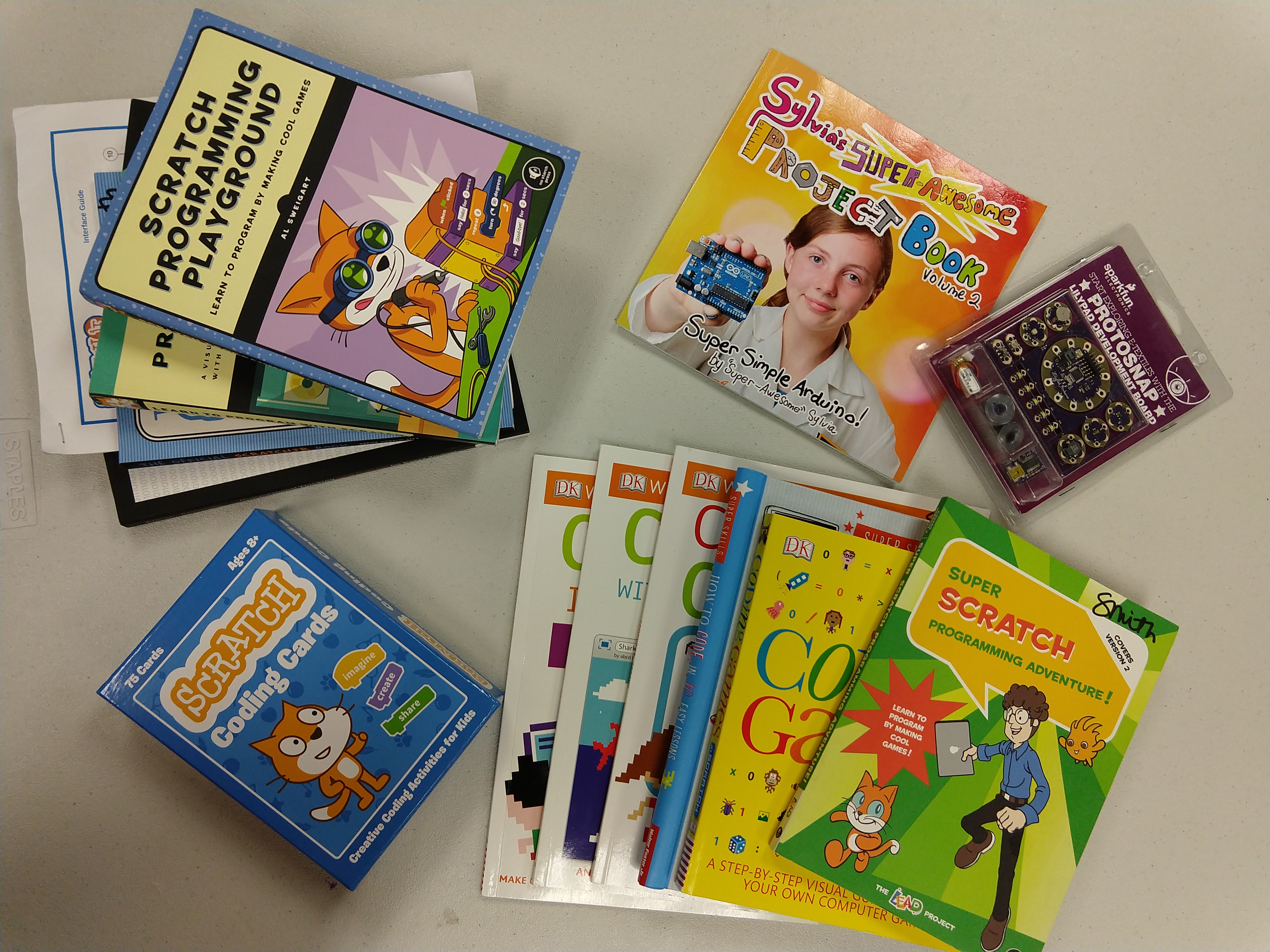
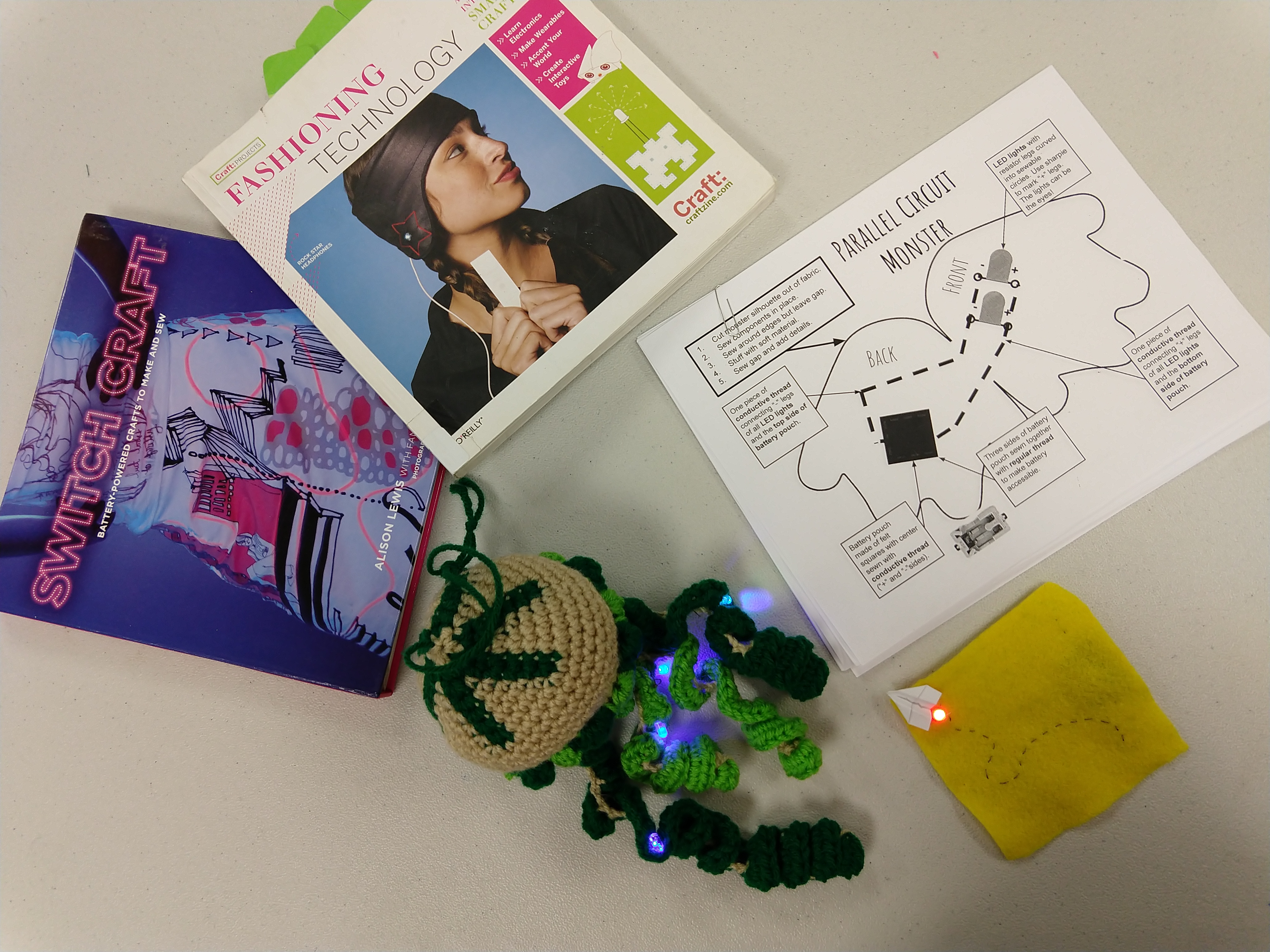
The electronics and interactive unit included LEDs, pager motors, paper circuits, sewable circuits, microcontrollers, and programming.

Impact
The creative learning that took place in this course has been documented in several of my qualitative publications:
Smith, S., Talley, K., Ortiz, A., & Sriraman, V. (2021). You want me to teach engineering?: Impacts of recurring experiences on K-12 teachers’ engineering design self-efficacy, familiarity with engineering, and confidence to teach with design-based learning pedagogy. Journal of Pre-College Engineering Education Research (J-PEER). 11(1), Article 2. Available at: https://doi.org/10.7771/2157-9288.1241
Smith, S. & Rodriguez, S. (2021). Exploring ambiguity tolerance during the adoption of maker-centered learning tools and strategies. Tech Trends.
Cohen, J., Jones, M. & Smith, S. (2018). Preservice and early career teachers’ preconceptions and misconceptions about making in education. Journal of Digital Learning in Teacher Education. 34(1), 31-42. Available at: https://doi.org/10.1080/21532974.2017.1387832
Jones, M., Smith, S., & Cohen, J. (2017). Pre-service teachers’ perceptions of using maker activities in formal educational settings. Journal of Research on Technology in Education. 49(3-4), 134-146. Available at: http://www.tandfonline.com/doi/full/10.1080/15391523.2017.1318097
Smith, S. & Henriksen, D. (2016). Fail again, fail better: Failure as a paradigm for learning and the arts. Art Education Journal. 69(2), 6-11. Available at: https://doi.org/10.1080/00043125.2016.1141644
Smith, S. (2015). Epic fails: Reconceptualizing failure as a catalyst for developing creative persistence within teaching and learning experiences. Journal of Technology and Teacher Education, 23(3), 329-355. Chesapeake, VA: Society for Information Technology & Teacher Education. Available at: https://www.learntechlib.org/primary/p/151569
 Shaunna Smith's Portfolio